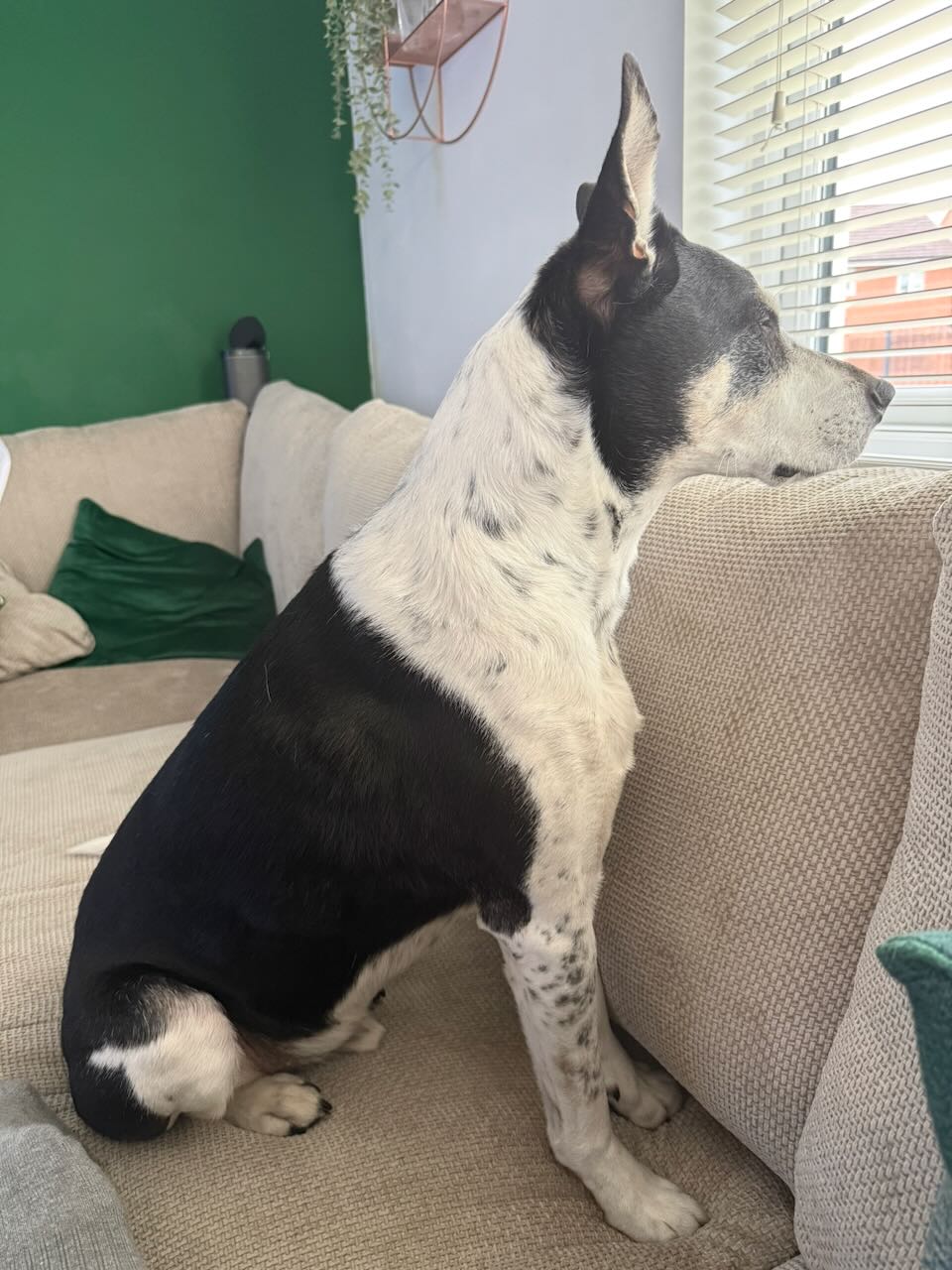
As our dogs age, their exercise needs change significantly. What once was an energizing 5-mile hike might now leave your senior dog stiff and uncomfortable for days. Recognizing when to adjust your walking routine is crucial for maintaining your dog's quality of life while still providing the physical activity they need.
Understanding Age-Related Changes
Senior dogs typically experience several physical changes that affect their ability to exercise:
- Joint stiffness and arthritis: The most common age-related change, affecting up to 80% of dogs over 8 years old
- Reduced muscle mass: Natural muscle loss (sarcopenia) makes sustained activity more challenging
- Decreased cardiovascular fitness: The heart and lungs may not work as efficiently
- Reduced stamina: Energy levels naturally decline with age
Key Signs to Watch For
1. Slowing Down or Lagging Behind
If your once-eager walking companion now frequently stops, sits down, or lags behind, this is often the first sign that their current routine is too demanding. Don't mistake this for stubbornness—it's usually discomfort or fatigue.
2. Stiffness After Walks
Watch how your dog moves after walks and the following morning. If they're notably stiff, struggle to get up, or move gingerly, yesterday's walk was probably too much. Some post-exercise stiffness is normal, but it shouldn't last more than an hour or two.
3. Reluctance to Go Out
A dog who previously loved walks but now hesitates at the door or hides when the leash comes out is telling you something. They're associating walks with discomfort. This is a clear signal to reassess.
4. Panting Excessively
Increased panting during or after moderate exercise, especially in cool weather, can indicate that the activity level is too challenging for your dog's current cardiovascular fitness.
5. Change in Gait
Limping, bunny-hopping, or changing how they walk during or after exercise suggests joint pain or muscle strain. Even subtle changes in gait warrant attention.
How to Adjust Your Walking Routine
Shorter, More Frequent Walks
Instead of one long walk, try 2-3 shorter walks throughout the day. For example, replace a 60-minute walk with three 20-minute walks. This prevents overexertion while maintaining daily activity levels.
Let Your Dog Set the Pace
Allow plenty of sniffing stops and rest breaks. Senior dogs benefit from "sniffy walks" where mental stimulation (sniffing) replaces some physical exertion. This is enriching without being physically demanding.
Choose Softer Surfaces
Walk on grass, dirt trails, or beach sand instead of pavement when possible. Softer surfaces reduce impact on joints and are gentler on aging paws.
Avoid Steep Hills and Stairs
These put extra strain on joints, particularly in the hips and knees. Choose flat routes or use gentle inclines if elevation changes are unavoidable.
Consider Timing
Many senior dogs are stiffest first thing in the morning. A very short morning "bathroom break walk" followed by a longer midday walk when joints have warmed up often works better.
Adapt to Weather
Cold and damp weather can increase joint stiffness. On these days, shorten walks further and consider a warm dog coat. Hot weather requires careful management too—walk during cooler parts of the day.
When Walking Isn't Enough (Or Is Too Much)
Supplement with Low-Impact Exercise
Consider adding:
- Swimming or hydrotherapy: Excellent for maintaining fitness without joint stress
- Gentle play sessions: Short games of "find it" or slow-motion tug
- Indoor exploration: Let them sniff around different rooms or new objects
Focus on Mental Enrichment
Mental stimulation tires dogs as effectively as physical exercise but without the strain:
- Puzzle feeders and snuffle mats
- Scent games (hide treats around the house)
- Training refreshers (practicing known commands)
- New experiences (car rides to interesting places, even if just to sit and watch)
Working with Your Veterinarian
If you notice significant changes in your dog's mobility or willingness to exercise, schedule a veterinary check-up. Your vet can:
- Assess for arthritis or other conditions affecting mobility
- Recommend pain management if needed
- Suggest supplements (like glucosamine) that may help
- Provide specific exercise recommendations based on your dog's health
The Goal: Quality Over Quantity
Remember, the goal isn't to maintain the exercise routine your dog had at age 3. The goal is to provide the right amount of activity that keeps them physically and mentally engaged without causing pain or exhaustion.
A well-adjusted walking routine for a senior dog should leave them pleasantly tired—not limping, not avoiding future walks, not stiff the next day. When you find that sweet spot, you'll notice your dog remains enthusiastic about walks while maintaining better mobility overall.
Every Dog Is Different
Some 12-year-old dogs can still manage 45-minute walks; others need just 10-minute strolls. Breed, size, health status, and lifetime activity level all influence what's appropriate. The key is observing your individual dog and adjusting accordingly.
By staying attentive to these signs and being willing to adapt, you can help ensure that walks remain an enjoyable part of your senior dog's routine for as long as possible—which benefits both their physical health and your cherished bond.
Need personalized guidance on your senior dog's exercise routine? Book a consultation with Dr. Claire for a detailed assessment and customized care plan.
Get Personalised Guidance for Your Senior Pet
Every pet is unique. Book a consultation for a care plan tailored to your pet's specific needs.
Book Your ConsultationAbout the Author

Veterinarian with 15+ years of experience specializing in senior pet care and quality of life.